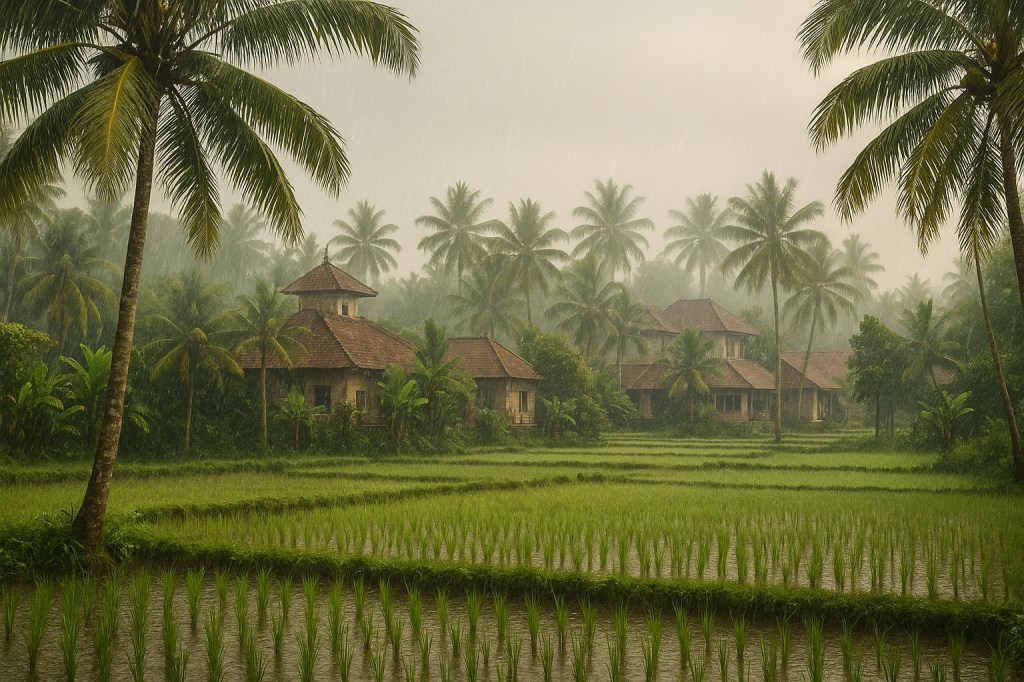
So, here’s the lowdown on the weather in Bali in February—because yeah, it’s the rainy season, and if you just looked at a forecast online, it probably scared you off a bit. You’ll see those dramatic lightning icons plastered across every single day and start wondering if you should cancel your whole trip. But hang on. I’ve been to Bali in February multiple times (I even lived there for a few months one year), and let me tell you—it’s not as bad as it sounds. Actually, in some ways, it’s kinda the perfect time to go… if you play it smart.
Let’s dig in. I’ll tell you exactly what the weather’s like, how it affects travel plans, what stuff still totally rocks during the rainy season, and a bunch of insider tricks I wish someone had told me the first time I showed up thinking I’d be drenched 24/7.
What’s the Weather in Bali in February Actually Like?
Okay, so technically, yes—it’s wet season. February in Bali is right in the thick of it. But “wet season” doesn’t mean it’s pouring all day, every day. What it usually looks like is this: humid mornings, hot sun breaking through the clouds around midday, and then a big ol’ tropical downpour sometime in the late afternoon or evening. Sometimes it rains overnight, which actually feels kinda cozy if you’ve got a villa with a thatched roof and a fan spinning lazily overhead.
The temperature? It’s warm—like, sweaty-back warm. Daytime highs sit around 29–31°C (that’s 84–88°F for the Americans reading this), and the humidity hangs around 80–90%. It’s the kind of weather where your camera fogs up when you walk outside, but you adjust fast. You’ll be living in sandals, tank tops, and light cotton everything. Don’t bother with jeans. Seriously.
Now, there are days when it can rain longer—especially if you’re in Ubud or the mountains—but even then, it usually breaks for a few hours. And the rain isn’t cold; it’s warm and loud and steamy. Bring an umbrella or a poncho if you must, but honestly? Just embrace it. I’ve danced in rainstorms in Seminyak barefoot, and it was one of the best nights I had.
Crowds? What Crowds? February Means More Space to Breathe
Let’s talk tourist traffic. February’s one of the quieter months in Bali, and that is a big deal. Fewer people means cheaper accommodation, way easier restaurant reservations, and no fighting to get a decent spot at a waterfall. And trust me—if you’ve ever been to Tegenungan in July, you know that’s no small blessing.
Because the peak tourist season is over (December and early January bring in all the holiday-makers), the vibe in February is way more chill. You’ll find a lot of digital nomads sticking around, some Australian school holiday overflow early in the month, but otherwise? You’re golden.
I once snagged a three-bedroom private villa in Canggu for less than half what it costs in high season. Pool, garden, daily breakfast delivered… all that good stuff. February’s like Bali on a discount.
Surf’s Up – If You Know Where to Go
So, if you’re into surfing—or just watching the pros while you sip a coconut on the beach—February’s got some sweet spots for you.
The west coast (like Kuta, Seminyak, Canggu) can get kinda messy this time of year due to winds and ocean currents. It’s also when the beaches get hit with some trash washing up—unfortunate but true. But the east coast? Totally different story. Sanur, Keramas, and Nusa Dua have clean, calm beaches in Feb, and the surf there is usually much better and more beginner-friendly during this season.
I took a few lessons in Sanur back in February 2022 and it was perfect—small, manageable waves, warm water, and barely anyone else out there. Even if you’re not surfing, the east side is great for sunrise walks and swimming without the crazy rip currents.
What to Pack (and What to Leave at Home)
If you’re overthinking your packing list, don’t. February travel to Bali is all about comfort, moisture-wicking clothes, and being okay with a little rain.
Bring:
- Light cotton or linen clothes. Think: loose shirts, shorts, and dresses that breathe.
- Waterproof sandals. Flip-flops are fine, but those Teva-style waterproof sandals are even better when it rains.
- A lightweight rain jacket or poncho (especially handy in Ubud or Sidemen).
- Mosquito repellent. Dengue fever is more of a risk in the wet season—cover up at dusk, especially near rice fields.
- Dry bags or waterproof pouches. I always have one for my phone and camera.
Don’t bring:
- Anything leather. Mold and mildew love the humidity.
- Jeans. You’ll wear them once, regret it, and toss them in the back of the closet.
- Hair straighteners or curling irons unless you’re going to a wedding. The humidity will win every time.
Bonus tip: Pack a couple of sachets of silica gel and chuck them in with your electronics or camera gear. Keeps moisture at bay and helps things not go funky.
Is Ubud Worth Visiting in February? Short Answer: YES.
Look, Ubud gets a lot of love for its yoga studios, artsy vibes, and lush jungle scenes—and in February, it turns into this magical, misty, rainforest wonderland. Yeah, it rains more than on the coast, but that also means the waterfalls are absolutely roaring.
The rice terraces are neon green. Like, hurt-your-eyes green. And fewer crowds mean you can actually walk through Tegallalang without getting elbowed by selfie sticks. If you do yoga, most classes are smaller, and the teachers often give way more personal attention.
I remember waking up to rain drumming on the roof at this bamboo villa I stayed in near Campuhan Ridge. Walked down to a café, had a hot kopi tubruk, and just sat watching the mist roll over the jungle. Not a bad way to spend a morning, honestly.
Activities That Don’t Suck in the Rain (Promise)
So yeah, maybe beach days get cut short when it pours, but there’s still loads to do in Bali in February. Some of my favorite things are actually better with a bit of rain. Here’s a few:
- Balinese cooking classes – Indoors, hands-on, and you get to eat what you make. What’s not to love? Most places pick you up from your hotel and take you to a local market (yes, they’re still open in the rain).
- Massage and spa days – I once did a 4-hour spa day in Uluwatu while it rained the entire time. I had a flower bath, a body scrub, Balinese massage, and facial for under $40. Absolute heaven.
- Museum and temple visits – The Agung Rai Museum of Art in Ubud is dry and fascinating. Tirta Empul Temple in the rain? Ethereal. Bonus: the spring water is warm.
- Coffee shops and coworking spaces – Bali has some incredible cafes with solid Wi-Fi. Think places like Seniman in Ubud or BGS in Canggu. Rainy day? Work, read, or journal with a turmeric latte in hand.
- Cooking and baking in your villa – If you’ve got a kitchen, hit up a local market and make dinner with whatever you find. It’s a fun little challenge, especially when you’re trying to figure out which mystery spice is chili powder.
Important Stuff About Travel Logistics in February
Now let’s talk practical stuff—because wet season does mess with a few logistics.
- Scooter rentals: Roads get slick. If you’ve never driven a scooter before, now is not the time to learn. Grab a Gojek or Bluebird taxi instead. Or at least make sure your helmet’s decent and the brakes work.
- Flight delays: Not super common, but if there’s a thunderstorm, expect delays—especially with domestic flights. I once got stuck at Lombok airport for 5 hours in February, watching the same loop of Indonesian safety videos.
- Laundry: Drying clothes can take forever in this humidity. Choose accommodations with dryers, or use a laundry service that does. Most offer 24-hour turnaround and it’s cheap—like, under $2/kg.
- Internet outages: Storms sometimes knock out Wi-Fi. Not often, but it happens. Always download stuff in advance if you need it. And pick cafés or villas with good reviews on their internet reliability.
Should You Travel with Kids in Bali During February?
Honestly? If your kids don’t mind a little rain and love puddles, it’s a blast. Waterbom Bali (the massive waterpark in Kuta) is still open, and it’s already a wet activity, so who cares if it’s raining?
Plenty of villas come with private pools, and those are great for chill days in. Plus, there are kid-friendly indoor activities like chocolate-making workshops, glass-blowing studios, and even kid yoga in Ubud.
Just make sure to pack a few backup outfits and maybe avoid staying too remote unless your little ones are cool with power outages or the odd frog in the bathroom (true story).
East vs. West Coast – Where to Stay in February?
If you’re planning to base yourself somewhere for more than a few days, think about sticking to the east coast in February.
- East coast (Sanur, Nusa Dua, Padang Bai) tends to be cleaner, calmer, and sunnier during the rainy season. Sanur, in particular, is ideal for families or travelers who want a slower pace. And it’s got this lovely beachfront path that runs for miles. Perfect for early morning walks or lazy bike rides.
- West coast (Canggu, Seminyak, Kuta) can be hit or miss. Still great for nightlife and café culture, but also gets more of the rain and the seasonal trash problem. Some days it’s totally fine. Other days you might see entire logs washed up on the beach.
Personally, I like to split my trip—start on the east side for some sunshine and chill, then head to Ubud for culture and jungle vibes. That way, you kind of dodge the worst of the rain and get a good mix.
February = Festival Vibes (Sometimes Big, Sometimes Random)
Now here’s something a lot of people miss: February in Bali sometimes coincides with major Balinese Hindu festivals, and if you’re lucky, you’ll catch one. The big one to watch for? Galungan and Kuningan. These don’t fall on the same Gregorian calendar date every year—they’re based on the Balinese Pawukon calendar, which runs on a 210-day cycle.
If you’re there during Galungan, you’ll see penjor (bamboo poles decorated with coconut leaves and offerings) lining every street. It’s like walking through a tropical, spiritual parade route. And during Kuningan, families gather, temples overflow, and you might even get invited to a local ceremony—just wear a sarong and be respectful.
Even on non-festival days, February tends to feel a little more… local. Fewer tourists means more chances to really connect with Balinese culture. Like, I once ended up at a full moon temple celebration (called Purnama) totally by accident. I was staying at a homestay in Sidemen, and the host invited me along. Next thing I knew, I was carrying a tray of offerings and learning how to say “thank you” in Balinese—suksma—while surrounded by incense and gamelan music. Kinda unreal.
What the Wet Season Smells, Sounds, and Feels Like
Okay, this might sound weird, but I think this kind of sensory stuff is what makes travel feel real.
- The smells: You’ll smell rain before it hits. The air gets thick and heavy, kinda like the smell of wet earth and incense. In Ubud, it’s mixed with burning offerings and tropical flowers. In Seminyak? Maybe more like grilled satay and damp pavement.
- The sounds: Thunder rolls in the distance like a soundtrack. Frogs go wild after a rain, especially near rice fields. And when it really pours? It’s loud. Like someone’s dumping a thousand buckets on a tin roof. Honestly, I sleep like a baby to that sound.
- The feel: Humidity wraps around you like a damp blanket. It’s annoying the first couple of days, but your body adjusts. You stop worrying about frizzy hair or sweaty shirts and just lean into it.
You’ll take cold showers on purpose. You’ll nap in the afternoon because the rain makes everything still. And if you stay long enough, you might start timing your day around the clouds—“Looks like rain in an hour, let’s grab lunch first.”
Some Real Talk on the Downsides of Bali in February
Look, I love Bali in the rainy season, but let’s not pretend it’s all zen retreats and rice paddy rainbows.
- The beach trash is real—especially on the west coast. It’s not every day, but when the currents bring in garbage from Java or the open ocean, it’s rough. You’ll see plastic, wood, even shoes washed up. Some resorts clean it up fast, others don’t. If it’s a dealbreaker for you, head east or inland.
- Flooding happens—especially in areas with poor drainage, like parts of Seminyak or Denpasar. I’ve had to wade through ankle-deep water before just to get to a warung. It’s not dangerous, just annoying. Carry flip-flops and keep your electronics in a dry bag.
- Mold is sneaky—especially if you’re renting a villa long-term. The wet air means stuff gets musty fast. Don’t leave your clothes damp in a pile, and try to air out your space during the day. Some villas have dehumidifiers; most don’t.
- Mosquitoes love this weather—and unfortunately, it’s when dengue fever cases tend to spike. Use bug spray (DEET-based stuff actually works), wear long sleeves in the evening, and sleep under a mosquito net if your place has one.
So yeah, it’s not all sunsets and smoothies—but if you know what you’re getting into, none of this stuff is a dealbreaker. It’s just part of the ride.
Local Life Rolls On—Even in the Rain
Something I really love about Bali is that life doesn’t stop when the rain hits. Warungs stay open, kids still run around barefoot, and ceremonies go on with umbrellas propped over the priest. It’s not like in the West where bad weather shuts things down.
You’ll see locals out on scooters in full ponchos, carrying entire trays of offerings one-handed. Farmers out in the paddies, ankle-deep in mud, laughing and chatting. There’s a rhythm to it. Rain’s just… part of the deal here.
I once asked a Balinese friend how they felt about the wet season, and she just smiled and said, “It feeds the rice. It feeds the island.” Hard to argue with that.
Where I’d Stay in February—Real Suggestions Based on What I’ve Loved
If you’re planning your trip and wondering what areas work best in February, here’s where I’ve personally stayed and would vouch for again:
Sanur – Great for couples, families, or anyone wanting an easy vibe. Good beach walks, calmer water, and excellent restaurants like Massimo (yes, the Italian spot with the gelato). Bonus: hardly any beach trash here during the rainy season.
Ubud – If you’re into yoga, art, or lush green everything. I stayed at a small guesthouse in Penestanan where it rained every afternoon like clockwork, and I spent hours journaling on the balcony with the sound of geckos chirping. Felt like therapy.
Sidemen – Super peaceful. Jungle, rivers, rice fields for days. If you want to unplug and don’t mind slower travel (and more rain), this place is a dream. Get a riverside bungalow if you can.
Keramas – On the east coast and kinda underrated. Some boutique surf resorts here that are way cheaper in February. Also close to Bali Safari and Marine Park if you’re traveling with kids.
Nusa Lembongan or Nusa Ceningan – If the rain forecast looks mellow, hop on a boat and spend a few nights here. Fewer tourists, crystal-clear water, and super chill vibes. February can be hit or miss for boat crossings, though—so check the surf and wind conditions before you commit.
 Bali Excursions
Leave a reply to What’s Bali Belly? Honest Advice from Someone Who’s Been There (Too Many Times) – Bali Excursions Cancel reply