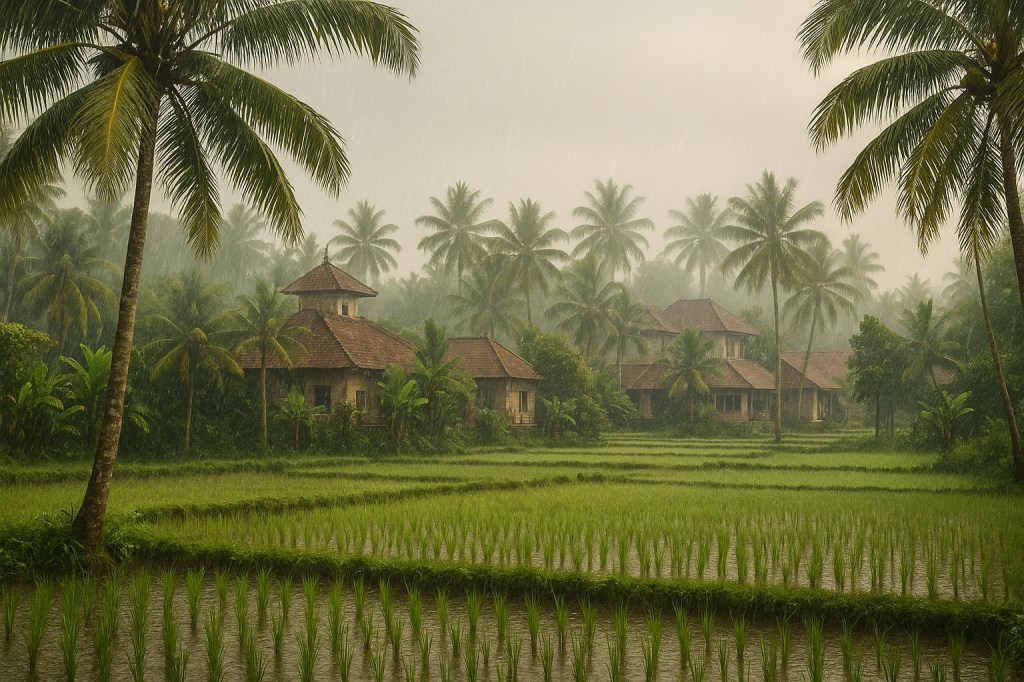
• 5 Day Bali Adventure Tour with Driver: A Complete Travel Experience

    If you’ve ever thought about booking a 5 day Bali adventure tour with driver, let me tell you—it’s one of the smartest travel decisions you can make. Bali isn’t just about beaches and Instagram sunsets (though those are awesome). The island is huge compared to what most first-timers expect, and honestly, trying to get around using only taxis or scooters can be exhausting. Having a private driver not only saves time but gives you the flexibility to explore at your own pace without worrying about maps, parking, or scams. When I first tried this option, I thought it was going to be a “luxury splurge,” but it actually turned out to be affordable and stress-free.

    What makes it even better? A driver who knows the island like the back of their hand can turn a regular trip into a full-on adventure. Whether you’re into waterfalls, rice terraces, temples, beach clubs, or just those small warungs (local restaurants) where the food blows your mind, having someone local guiding you around is like unlocking a cheat code for Bali.

    Read also: How Much Will It Cost to Travel in Bali

    Why Choosing a 5 Day Bali Adventure Tour with Driver is a Game-Changer

    I can’t stress this enough—Bali looks small on the map, but traffic can be brutal. What looks like a 30-minute drive might end up being 2 hours during peak times. The last thing you want is to spend half your holiday stuck in traffic while trying to figure out which U-turn will take you to your waterfall stop.

    When I booked my first tour with a driver, I didn’t even realize how much more relaxed I would feel. Instead of stressing over routes, I was sipping on iced kopi from a roadside stall while my driver chatted about Balinese ceremonies happening that week. According to Bali Tourism Board data, more than 60% of international visitors prefer to use private transportation services rather than rentals because of both convenience and safety. And honestly, I get it now.

    A driver is not just a driver—they’re like a part-time tour buddy. They’ll tell you which temple actually requires a sarong, which beach has insane waves you don’t want to swim in, and even where to find the least crowded swing for those iconic jungle photos.

    Breaking Down the Perfect 5 Day Bali Adventure Tour with Driver

    Here’s how a 5-day Bali itinerary usually plays out when you’ve got someone behind the wheel who knows their stuff. Of course, everyone’s style is different—you might swap some things if you’re more into beaches than temples, but this is a solid starting point.

    Day 1 – Ubud and the Heart of Bali

    I always recommend starting in Ubud because it’s like the cultural soul of Bali. The rice terraces, temples, and yoga vibes—it just sets the mood for the rest of your adventure.

    Your driver will probably take you straight to Tegalalang Rice Terrace, and honestly, it’s worth the hype. The layered paddies stretch out like a green staircase into the horizon. I’ve been there in the early morning when the mist hangs low and farmers are already at work—it’s quiet and magical. Later in the day, it can get crowded, but your driver will know the best times to go.

    From there, it’s usually a short ride to the Sacred Monkey Forest Sanctuary. Okay, here’s where I learned a big lesson: don’t keep snacks in your bag. Those cheeky monkeys will unzip it faster than you can blink. My driver had warned me, but I laughed it off until I lost half a pack of crackers.

    Later in the afternoon, most drivers recommend a stop at Tirta Empul Temple. This water temple is famous for its holy spring, where locals and visitors alike line up to do purification rituals. I didn’t do it the first time, but on my second trip, I tried it—and it was humbling. The cold water, the sound of chanting—it felt deeply grounding.

    Evening usually ends with dinner in Ubud town. If you haven’t had crispy duck or babi guling (suckling pig), this is the place. Your driver will likely know a family-owned spot that isn’t on TripAdvisor but tastes ten times better than the tourist restaurants.

    Day 2 – Volcano Views and Coffee Tastings

    One of the best perks of a driver? They’ll wake you up at 3 AM if you want to do the Mount Batur sunrise trek and drive you straight to the starting point. It’s tough to get that timing right without someone local.

    I remember hiking up with a group, freezing in the dark, and then watching the sun break over the lake. The driver was waiting at the bottom with hot coffee when we came down—best cup of coffee of my life, hands down.

    Speaking of coffee, most drivers include a stop at a Luwak coffee plantation. Yes, it’s the one where the beans pass through civet cats (sounds weird, tastes amazing). But even if you don’t go for the Luwak, the regular Balinese coffee tastings are a treat. They’ll serve trays of vanilla, ginseng, coconut, and even chocolate coffee shots, all with views over the jungle.

    In the afternoon, your driver might swing by Toya Devasya hot springs to soak those sore hiking muscles. It’s touristy, but after that climb, you won’t care—you’ll just float while staring at the volcano across the lake.

    Day 3 – Waterfalls and North Bali Magic

    Here’s where having a driver really makes sense. North Bali is tricky to reach and public transport basically doesn’t exist.

    The day usually starts with Sekumpul Waterfall, which is hands down one of the most stunning waterfalls I’ve ever seen. It’s a bit of a trek down (and up), but the sight of twin falls crashing down into the jungle is worth every step. Without a driver, I would’ve been completely lost on those rural roads.

    Afterwards, Handara Gate is often on the list. Yes, it’s Instagram-famous, but standing there between the giant split gate with the mountains behind—it’s something else. My driver told me the gate is actually part of a golf resort, which I would’ve never guessed.

    You’ll probably also visit Ulun Danu Beratan Temple, which floats on a lake. It feels different from the temples in Ubud—more serene, almost like a painting.

    The drive back takes a while, but that’s part of the charm. My driver told me stories about growing up in Bali, explaining the ceremonies where whole villages shut down to celebrate. That’s the kind of cultural insight you don’t get from Google Maps.

    Day 4 – Beach Hopping in the South

    This is usually the day to relax a bit. The south has some of Bali’s most famous beaches, and your driver can take you to multiple spots without the headache of parking.

    Padang Padang Beach is a small cove where I once spent a lazy afternoon watching surfers ride the waves. Getting there means walking down narrow stairs between cliffs, and trust me, you’ll be glad you don’t have to think about leaving your scooter on a busy road.

    From there, Uluwatu Temple is a must. It sits high on a cliff, overlooking the ocean. The kecak dance at sunset is one of those touristy things that’s absolutely worth doing at least once. The fire, chanting, and ocean backdrop—it gave me goosebumps.

    If you’re into beach clubs, your driver can swing by Sundays Beach Club or Single Fin. I’ve done both, and while they’re pricier, it’s a cool way to enjoy Bali’s nightlife scene without going full-on party mode in Kuta.

    Day 5 – Markets, Shopping, and Sunset

    The last day usually blends sightseeing with a bit of shopping. Your driver can take you to Seminyak markets for clothes and handicrafts, or even to Celuk village for silver jewelry if you’re into that.

    For the grand finale, most tours end at Tanah Lot Temple. It’s one of the most photographed spots in Bali, sitting on a rock out in the ocean. At low tide, you can walk closer, but even from afar it’s a stunner. I watched the sunset there once while fishermen pulled their nets nearby, and it was the kind of scene that sticks with you.

    Cost of a 5 Day Bali Adventure Tour with Driver

    Let’s talk money, because everyone asks. Most private drivers in Bali charge between $40 to $60 USD per day for an 8–10 hour trip. That usually includes fuel and parking. If you’re splitting costs with friends or family, it becomes insanely affordable.

    Some packages bundle in entrance fees and meals, but personally I like paying for those separately. It gives more freedom to choose where you want to eat and what activities you really want to do.

    Compared to renting a car or scooter, yes, it’s a bit pricier—but the stress it saves is priceless. I once tried driving myself in Bali, and after stalling on a steep hill with a line of angry scooters behind me, I swore never again.

    Why Locals Recommend a Driver Over DIY Travel

    Here’s the deal—roads in Bali aren’t always straightforward. Some are narrow village lanes with dogs sleeping in the middle. GPS sometimes sends you down paths that technically aren’t meant for cars. My driver once laughed when I asked if he ever uses Google Maps. He said, “I use it only when tourists don’t believe me.”

    Another reason? Balinese culture is deeply rooted in ceremonies. Roads can suddenly close because of temple festivals, and only locals know the alternate routes. Without a driver, you might find yourself waiting an hour just because a procession is happening.

    According to Indonesia’s Ministry of Tourism, local drivers also contribute to the community economy by directing visitors toward small family businesses instead of just big resorts. It’s sustainable tourism in action.

    Personal Lessons Learned from Taking This Tour

    1. Don’t overpack your days. I used to plan 6–7 stops daily, but traffic and heat make that impossible. With a driver, you learn to slow down and enjoy fewer but deeper experiences.
    2. Always ask your driver for food recommendations. Some of the best meals I’ve had in Bali weren’t in restaurants listed online but in roadside warungs. One place near Kintamani served grilled fish so fresh, the lake was literally a few meters behind the kitchen.
    3. Be open to detours. My driver once suggested stopping at a local ceremony in a small village. I got to watch a gamelan performance and was even offered fruit by locals. It wasn’t on my itinerary, but it ended up being a highlight.
    4. Learn some basic Bahasa Indonesia phrases. Saying “terima kasih” (thank you) or “bagus sekali” (very good) goes a long way. Your driver will appreciate the effort, and it creates a warmer connection.

    When I look back on my trips, what stands out the most isn’t just the photos or the temples—it’s how stress-free everything felt because I didn’t have to think about logistics. A 5 day Bali adventure tour with driver lets you enjoy the island the way it’s meant to be enjoyed: slowly, with time to soak in each view, each bite of food, each conversation.

    Sure, you could rent a scooter or grab taxis here and there, but that constant worry about directions, traffic, and hidden costs takes away from the magic. Having someone local by your side means you get to see Bali through their eyes. And honestly, that makes all the difference.

    If you’re sitting on the fence about whether to book this kind of trip, take it from someone who’s tried both ways. With a driver, your days are smoother, your nights are more relaxed, and you end up seeing and learning way more than you could alone. Bali isn’t just a destination—it’s an experience. And this way, you get the full experience without the headaches.


  • How Much Will It Cost to Travel in Bali? A Realistic Breakdown from Someone Who’s Been There… A Lot

    Alright, let’s talk about the big question buzzing in your head if you’re daydreaming of coconut trees and cheap nasi goreng: how much will it cost to travel in Bali? First off, I get it. Every time I’ve planned a trip to Bali—whether it was a budget backpacking run, a chill honeymoon vibe with my partner, or a work-remote escape—I found myself crunching the same numbers. And lemme tell ya, Bali’s one of those places where your cost can be dirt cheap or bougie luxury. Depends how you roll. But either way, there’s something for every wallet size.

    Read also: What’s Bali Belly

    In this deep dive (and yeah, it’s gonna be long, because this ain’t a shallow swim), I’ll lay out everything based on real stays, failed bookings, actual receipts, and little surprises I wish someone had told me earlier. I’m not just googling average prices and calling it a day—I’ve messed up a few budget plans myself and learned the hard way.

    Accommodation Costs in Bali – From Hostels to Private Villas

    Let’s kick off with where you’ll sleep. In Bali, you can stay in a beach shack with salty hair and no AC… or live like royalty with a private infinity pool staring down the rice fields.

    Budget Options – For the Ones Who’d Rather Spend on Surf Than Sleep

    If you’re really on a tight budget, Bali’s got you. In places like Canggu, Ubud, or Kuta, you can find dorm beds for as low as 80,000 IDR (around $5 USD) per night. And I’m not talkin’ flea-ridden holes either. I stayed at The Island Hotel Bali once—chill vibe, clean bunks, free breakfast pancakes (not the best, but hey, free is free).

    Even private rooms in guesthouses or homestays can go for 150,000–300,000 IDR a night (about $10–$20 USD). These usually come with Wi-Fi, a fan (maybe AC), and some friendly old auntie who’ll give you tips or lend you a scooter.

    If you’re traveling as a couple or even a small group, split it and boom—you’re living cheap.

    Mid-Range – A Bit of Comfort Without Breaking the Bank

    This is where I usually land. You’ll find solid mid-range stays with AC, decent Wi-Fi, a pool, and maybe even a jungle view for around 400,000–800,000 IDR per night ($25–$55 USD). In Ubud, I once stayed in a bungalow-style hotel for about $40 a night and woke up to monkeys swinging on the roof. Not ideal at 5 a.m., but still—kind of magical.

    Canggu and Seminyak mid-range hotels are slightly pricier just ‘cause of location, but you can still snag some sweet deals if you’re flexible with dates or stay a bit inland (away from the beach).

    High-End & Luxury – For When You’re Ballin’ or on a Honeymoon

    If you’re throwing down some serious cash or just want the “Eat Pray Love” fantasy, there’s no shortage of high-end spots. Villas with private chefs, infinity pools, and flower baths run from $150 USD to $500+ a night.

    One time, for a splurge weekend, I booked a place near Uluwatu that had a full-time butler. Felt awkward asking someone else to slice my mango, but hey—YOLO, right?

    Keep in mind, luxury doesn’t always mean expensive in Bali. A $200/night place here might easily be $800+ in Hawaii or Greece.

    Daily Food Costs in Bali – Street Eats, Warungs & Fancy Feasts

    Bali is a food-lover’s playground. You can survive on $5 a day or blow $50 on brunch—been there, done both.

    Cheap Eats – Warung Life & Street Food Heaven

    Warungs (local food stalls) are your wallet’s best friend. I legit lived off nasi campur (mixed rice with veggies, tofu, chicken, egg, etc.) for about 25,000 IDR ($1.60 USD) a plate. Some days, I’d get a juice, a meal, and a snack for under $3. That’s wild, right?

    Street satay skewers? 10,000 IDR for 5 sticks. Fried tempeh with sambal? 5,000 IDR. You’ll eat like a king on a budget, just maybe carry some tissues—the spice can slap hard.

    Mid-Range Restaurants – Cafés, Western Dishes, and Instagram Brunches

    If you’re staying in Ubud or Canggu, you’ll see all those Insta-famous cafés with smoothie bowls, avo toast, and lattes with cute art. Yeah, they look great—but they cost a bit more.

    Meals here range from 60,000–120,000 IDR ($4–$8 USD), and coffee usually runs 30,000–50,000 IDR ($2–$3.50 USD). Not crazy expensive, just not warung cheap. Still, if you’re working remotely or want some AC with your omelet, this is the sweet spot.

    I’ve spent weeks working from these cafes—Zin Cafe in Canggu is a personal fave. Decent coffee, solid Wi-Fi, and you’ll bump into a ton of digital nomads doing the same thing.

    Fine Dining – If You’re Celebrating or Just Wanna Splurge

    Now, if you hit up places like Locavore in Ubud or Mama San in Seminyak, your bill could easily hit 1,000,000 IDR+ per person ($65+ USD). Worth it? Depends. I’ve had one of the best duck dishes of my life at a place in Uluwatu, but also dropped half a day’s budget on dessert.

    Transportation in Bali – Scooters, Grab, and “Bali Time” Drivers

    Getting around Bali isn’t hard, but it’s not always smooth sailing either. Traffic’s a beast in the south, and sometimes Google Maps leads you down a dirt road that’s more suited for goats than scooters. Been there. Twice.

    Scooter Rentals – Freedom, Baby (If You Can Ride)

    Scooters are the go-to. Renting one costs around 70,000 IDR a day ($4–$5 USD), and you’ll find plenty of places willing to hand you the keys with zero questions asked. Not great for safety, but hey, convenience.

    I once paid 500,000 IDR ($33 USD) for a full month of scooter rental in Ubud—straight-up bargain. Just remember: wear a helmet, drive slow, and don’t be that tourist weaving like a maniac.

    Fuel costs barely register—maybe $1.50 USD to fill up a tank that lasts a few days.

    Grab, Gojek & Private Drivers – For Non-Riders or Group Trips

    Grab and Gojek are your Uber equivalents. A 15-minute ride might cost 30,000–50,000 IDR ($2–$3.50 USD), depending on traffic and location.

    For day trips, hiring a private driver is a smart move, especially for places like the waterfalls in North Bali. Drivers usually charge 600,000–800,000 IDR ($40–$55 USD) for a full day. I used the same driver three times—friendly guy named Ketut who knew all the shortcuts and was happy to wait while I took way too long at a temple.

    What You’ll Spend on Activities – Beaches, Temples & Bucket-List Stuff

    Activities in Bali range from totally free to oh-my-god-my-wallet-hurts.

    Free (or Almost Free) – Beaches, Rice Fields, Waterfalls

    Bali’s full of beauty that doesn’t cost a dime. Swimming in the ocean? Free. Walking through the Campuhan Ridge Walk in Ubud? Free. Chilling at Echo Beach with a Bintang? Just the beer cost.

    Some waterfalls and temples charge small entry fees—usually around 10,000–50,000 IDR ($0.70–$3.50 USD). Tegallalang Rice Terrace asked for a “donation” that turned into a low-key toll booth, but it was like $1, so whatever.

    Yoga, Surfing & Cooking Classes – Affordable & Worth Every Rupiah

    Yoga classes are everywhere—especially in Ubud. Drop-in rates range from 120,000–160,000 IDR ($8–$11 USD), but some studios offer weekly or monthly passes. Surf lessons in Kuta or Canggu run about 250,000–350,000 IDR per session ($16–$23 USD), including board rental.

    I once did a Balinese cooking class for around $30 USD. We went to the local market, got schooled by a sassy old lady who made fun of my sambal-making skills, and cooked up a feast. Highly recommend.

    Scuba, Diving, and Big-Ticket Adventures

    Here’s where things start adding up. A scuba dive trip in Amed or Nusa Penida? Around $70–$120 USD per dive. A PADI Open Water Certification? Expect to drop $300–$400 USD.

    Then there’s Mount Batur sunrise hikes (about $30–$50 USD with guide), ATV rides, rafting tours, and dolphin-watching in Lovina. Some of it’s touristy, sure—but fun if you’re with the right crowd.

    Wellness, Massage & Self-Care – Because You Deserve It

    Massages in Bali are ridiculously cheap—and honestly, kinda addicting. You’ll think, “I’ll get one or two,” and before you know it, you’re getting daily 90-minute sessions like royalty.

    Basic massage places charge 80,000–150,000 IDR ($5–$10 USD) per hour. Spa-level services or resort spas will charge more—like 400,000–800,000 IDR ($25–$55 USD)—but still way less than back home.

    I splurged once on a full spa day in Uluwatu. Cost me about $60 USD, and I came out floatin’. Feet scrubbed, face glowing, stress gone.

    Internet, SIM Cards & Staying Connected

    If you’re like me and need to be online (either to work or just scroll memes), Bali’s pretty solid.

    You can get a local SIM card with data for cheap—Telkomsel or XL are the big providers. I usually grab 20GB for around 150,000 IDR ($10 USD), which lasts weeks. Just make sure your phone’s unlocked.

    Most cafés, hotels, and villas have Wi-Fi, though speeds vary. In Canggu, it’s fast enough to upload videos. In Amed? Well… patience, my friend.

    Total Daily Budget – So, What’s the Real Cost?

    Here’s where it all comes together. And I’ll break it down how I usually do it for friends who ask.

    • Shoestring Budget: Around $20–$30 USD/day. Sleep in hostels, eat warung food, rent a scooter, skip the tours. Still have a blast.
    • Comfortable Travel: $40–$70 USD/day. Mid-range stays, mix of local and Western food, yoga, scooter or ride-hailing apps.
    • Luxury Style: $150+ USD/day. Villas, private drivers, fancy dinners, spa days, the works.

    Thing is, how much it will cost to travel in Bali really depends on you. Wanna party in Seminyak every night? That’s pricey. Happy with coconut water, a hammock, and a book? Super affordable.

    I’ve done both ends of the spectrum. Sometimes in the same trip.

    And that’s the real magic of Bali—you can mix and match based on your vibe, your wallet, and your mood that day.

  • What’s Bali Belly? Honest Advice from Someone Who’s Been There (Too Many Times)

    Alright, let’s just get right into it—what’s Bali belly? If you’ve been googling that at 2 a.m. from your Canggu hostel toilet, sweating bullets and regretting that fish curry from the warung down the street… yup, you’re in the club. Bali belly is basically traveler’s diarrhea that hits when your stomach meets bacteria it’s never had to fight before. It’s not exclusive to Bali, of course, but the name stuck because, well, a lot of folks come here, eat and drink things their gut ain’t ready for, and then boom—nature calls. Loudly. Repeatedly. And usually with a side of nausea and cramps that make you question all your life choices.

    Now, technically, it can be caused by bacteria like E. coli or salmonella, or even viruses or parasites in some cases. But more often than not, it’s from food or water that hasn’t been handled, cooked, or stored properly. Add the tropical climate (read: hot and humid and perfect for bacterial parties), and you’ve got a lovely little stomach rebellion brewing.

    Personally? I’ve had it three times. Once from a dodgy ice cube in a fruit juice in Ubud. Once from a roadside nasi campur that tasted amazing but clearly had been sitting out way too long. And once—I kid you not—from brushing my teeth with tap water when I was half asleep. Rookie move.

    Read also: Weather in Bali in February

    So yeah, it’s real, it’s miserable, and it can totally ruin a day (or three) of your trip. But don’t freak out—once you know what causes it and how to deal with it, you’re in a much better spot to dodge it or at least bounce back quicker.

    Common Symptoms of Bali Belly (So You Don’t Mistake It for Food Poisoning or Dengue)

    Alright, so how do you know it’s Bali belly and not just that you went too hard on sambal the night before?

    Here’s what usually comes with it:

    • Diarrhea (like, watery and frequent)
    • Stomach cramps or bloating
    • Nausea and sometimes vomiting
    • Mild fever or chills
    • Fatigue (because your body is working overtime to flush stuff out)
    • Headaches or lightheadedness, especially if you’re dehydrated

    Here’s the thing—Bali belly isn’t usually dangerous, just really uncomfortable. But if it lasts more than 48 hours or you see blood in your stool, that’s when you wanna get to a clinic. Dengue fever and typhoid can look kinda similar in the early stages, so don’t self-diagnose like a hero. When in doubt, let an actual doctor figure it out.

    How Long Does Bali Belly Last? (Spoiler: It Feels Longer Than It Is)

    Most cases of Bali belly last somewhere between 1 to 3 days. But lemme tell you, those days? They feel like forever when you’re camped out near a toilet, hugging a water bottle and praying for mercy.

    Some folks bounce back in 24 hours with rest and hydration. Others take a solid four or five days to feel fully normal again, especially if they didn’t take anything to help move things along. I once thought I was better after two days, only to get smacked with a surprise wave of stomach drama on day four. So take your time. Seriously.

    What Causes Bali Belly? (AKA: What to Watch Out for Before You Order That Smoothie)

    So yeah, the causes are mostly food and water that carry unfamiliar bacteria. But it’s the how that gets you, especially when everything looks clean or smells delicious.

    Let’s break it down:

    • Contaminated Water: Tap water’s not safe to drink in Bali. That includes using it to brush your teeth or rinse fruit. Always go bottled, filtered, or boiled.
    • Ice Cubes: Most tourist-friendly spots use purified ice (cylindrical shape with a hole in the middle is the safe one), but street vendors might not. Ask, or just skip it.
    • Raw or Undercooked Food: Sushi, rare steak, and undercooked eggs are all high risk. Same goes for salads unless you know the veggies were washed in safe water.
    • Buffet Food: Stuff that’s been sitting out too long is a no-go. Heat kills bacteria, but once it cools and sits, it becomes a bacteria playground.
    • Unwashed Hands (Theirs or Yours): This one’s sneaky. If a vendor isn’t washing their hands properly, bacteria can end up in your food. Same goes for you before you dive into that banana leaf wrap with your fingers.

    A lot of people get caught out on Day 1 or 2, just because everything smells so damn good and the excitement overrides the caution. Been there, done that. Paid the price. Multiple times.

    My Experience Getting Bali Belly (and What I Wished I Knew Sooner)

    Alright, story time. The first time I got Bali belly was my second day in Ubud. I was riding high on my “I’m basically a local now” ego trip, scarfing down street food like a champ. I ended up eating this incredible-looking mie goreng from a night market. Tasted amazing. But like an idiot, I ignored the fact that it had been sitting under a heat lamp for who-knows-how-long and had actual flies doing laps on the glass.

    Twelve hours later, I was sweating buckets in a fan-only guesthouse bathroom, hugging the toilet bowl like it owed me money. I couldn’t even keep water down for a while. Ended up dragging myself to a nearby clinic, where they gave me electrolytes and anti-nausea meds. Honestly, should’ve gone sooner. I thought I could “tough it out.” Bad move.

    Now I carry a mini travel health kit with me everywhere in Southeast Asia. Oral rehydration salts, charcoal tablets, probiotics, and Imodium (only for long trips where I literally can’t afford to be sick on a plane). It sounds like overkill until you’re the one curled up on the floor whispering “never again” like a war survivor.

    How to Prevent Bali Belly (Without Becoming a Total Germaphobe)

    I’m not saying you need to walk around with gloves and a face mask (although some folks do), but a little awareness goes a long way. Here’s what I do now—and trust me, I learned the hard way.

    Filtered Water Only: Even for brushing your teeth. No exceptions. Most hotels and villas have refillable gallons—use those.
    Watch the Ice: Cylindrical with a hole in the middle = safe. Anything else? Don’t risk it unless you’re sure it’s purified.
    Eat Where It’s Busy: High turnover = fresher food. If a warung is packed with locals or travelers, it’s usually a safer bet than a sad, empty place with flies and a sleepy cook.
    Hand Sanitizer = Your BFF: Before every meal. After every bathroom trip. Especially when there’s no soap in the public toilets (which happens a lot).
    Be Careful With Salads and Fresh Fruit: Only eat raw veggies if you’re sure they’ve been washed in clean water. Peeled fruits are safest—bananas, mangoes, papayas, etc.
    Skip Buffets Unless It’s Fancy Hotel Quality: If the food’s been sitting there for more than an hour in the heat… nope. Hard pass.
    Ease In to Local Food: Your gut needs a minute to adjust. Don’t go full spice level 10 on day one. Start light and work your way up.

    What to Do If You Get Bali Belly (Besides Cry and Regret Everything)

    If the stomach gods do come for you, here’s what you should do:

    • Hydrate Like It’s Your Job: The number one thing is fluids. Coconut water is great, bottled water with electrolytes is even better. I use ORS packets (oral rehydration salts) whenever I feel even a little off.
    • Skip the Dairy: It messes with your stomach more when you’re already fragile. Even if you think that yogurt will help with probiotics, now’s not the time.
    • Stick to the BRAT Diet: Bananas, rice, applesauce, toast. Boring, but easy on your belly.
    • Take It Easy: Don’t force yourself to keep touring. One full rest day now beats three bad ones later.
    • Use Anti-Diarrhea Meds Wisely: Only if you absolutely have to travel or can’t access a toilet. Otherwise, let your body flush it out naturally.
    • See a Doctor If It’s Not Improving: There are great clinics in Bali, especially in Canggu, Seminyak, and Ubud. Most staff speak English and they’re used to this stuff.

    I’ve also tried activated charcoal, which some people swear by. Mixed results for me, but it’s worth having on hand just in case. And if you’re into natural stuff—young coconut water (the green ones) helps rehydrate, and boiled ginger tea can calm nausea. Old school, but it works.

    Is Bali Belly Contagious? Kinda, But Not Like You Think

    So technically, yeah, you can pass the bacteria to someone else—usually through poor hygiene. If you’re not washing your hands after bathroom visits and then touching shared stuff (utensils, water bottles, etc.), the germs can spread. It’s not airborne or anything, but definitely something to keep in mind if you’re traveling with a partner or kids.

    And yeah, I was that guy once. My girlfriend got sick after I didn’t wash my hands properly. She still brings it up whenever we’re arguing about who should do the dishes.

    Moral of the story: wash your dang hands. Every time.

    Can You Still Eat Street Food in Bali Without Getting Sick? YES – Here’s How

    Okay, real talk: street food is one of the best parts of traveling in Bali. Don’t skip it just because you’re scared. You just gotta be smart about it.

    I eat street food all the time and haven’t gotten sick in over a year, and I’ve been living in Bali most of that time. What changed?

    • I only go to stalls that are busy, especially with locals.
    • I avoid anything that’s been sitting out (buffets, unrefrigerated meats).
    • I watch how they prep the food—are they handling money and food with the same hands? Nope, moving on.
    • I avoid raw veggies and anything with mayonnaise or cream unless I’m 100% confident in the vendor.
    • I eat earlier in the day when food is freshly cooked.

    So yes, eat that satay from the cart down the alley. Try the bakso and the martabak. Just do it with a little caution and your gut will thank you.

    Extra Stuff That’ll Make Your Life Easier If You Catch Bali Belly

    Look, what’s Bali belly? It’s the thing no one wants to deal with, but nearly everyone does at some point if they’re not careful. And the thing is, it’s not a dealbreaker. It’s manageable. Annoying, sure—but not the end of the world.

    If you treat your stomach kindly, stay clean, and listen to your body, you’ll avoid most of the worst parts. And if you do get sick? Rest, hydrate, and let your body bounce back.

    Bali is 100% worth it—even with a bit of stomach drama. Just don’t brush your teeth with tap water, okay?

  • Weather in Bali in February: Real Talk from Someone Who’s Been There (More Than Once)

    So, here’s the lowdown on the weather in Bali in February—because yeah, it’s the rainy season, and if you just looked at a forecast online, it probably scared you off a bit. You’ll see those dramatic lightning icons plastered across every single day and start wondering if you should cancel your whole trip. But hang on. I’ve been to Bali in February multiple times (I even lived there for a few months one year), and let me tell you—it’s not as bad as it sounds. Actually, in some ways, it’s kinda the perfect time to go… if you play it smart.

    Let’s dig in. I’ll tell you exactly what the weather’s like, how it affects travel plans, what stuff still totally rocks during the rainy season, and a bunch of insider tricks I wish someone had told me the first time I showed up thinking I’d be drenched 24/7.

    What’s the Weather in Bali in February Actually Like?

    Okay, so technically, yes—it’s wet season. February in Bali is right in the thick of it. But “wet season” doesn’t mean it’s pouring all day, every day. What it usually looks like is this: humid mornings, hot sun breaking through the clouds around midday, and then a big ol’ tropical downpour sometime in the late afternoon or evening. Sometimes it rains overnight, which actually feels kinda cozy if you’ve got a villa with a thatched roof and a fan spinning lazily overhead.

    The temperature? It’s warm—like, sweaty-back warm. Daytime highs sit around 29–31°C (that’s 84–88°F for the Americans reading this), and the humidity hangs around 80–90%. It’s the kind of weather where your camera fogs up when you walk outside, but you adjust fast. You’ll be living in sandals, tank tops, and light cotton everything. Don’t bother with jeans. Seriously.

    Now, there are days when it can rain longer—especially if you’re in Ubud or the mountains—but even then, it usually breaks for a few hours. And the rain isn’t cold; it’s warm and loud and steamy. Bring an umbrella or a poncho if you must, but honestly? Just embrace it. I’ve danced in rainstorms in Seminyak barefoot, and it was one of the best nights I had.

    Crowds? What Crowds? February Means More Space to Breathe

    Let’s talk tourist traffic. February’s one of the quieter months in Bali, and that is a big deal. Fewer people means cheaper accommodation, way easier restaurant reservations, and no fighting to get a decent spot at a waterfall. And trust me—if you’ve ever been to Tegenungan in July, you know that’s no small blessing.

    Because the peak tourist season is over (December and early January bring in all the holiday-makers), the vibe in February is way more chill. You’ll find a lot of digital nomads sticking around, some Australian school holiday overflow early in the month, but otherwise? You’re golden.

    I once snagged a three-bedroom private villa in Canggu for less than half what it costs in high season. Pool, garden, daily breakfast delivered… all that good stuff. February’s like Bali on a discount.

    Surf’s Up – If You Know Where to Go

    So, if you’re into surfing—or just watching the pros while you sip a coconut on the beach—February’s got some sweet spots for you.

    The west coast (like Kuta, Seminyak, Canggu) can get kinda messy this time of year due to winds and ocean currents. It’s also when the beaches get hit with some trash washing up—unfortunate but true. But the east coast? Totally different story. Sanur, Keramas, and Nusa Dua have clean, calm beaches in Feb, and the surf there is usually much better and more beginner-friendly during this season.

    I took a few lessons in Sanur back in February 2022 and it was perfect—small, manageable waves, warm water, and barely anyone else out there. Even if you’re not surfing, the east side is great for sunrise walks and swimming without the crazy rip currents.

    What to Pack (and What to Leave at Home)

    If you’re overthinking your packing list, don’t. February travel to Bali is all about comfort, moisture-wicking clothes, and being okay with a little rain.

    Bring:

    • Light cotton or linen clothes. Think: loose shirts, shorts, and dresses that breathe.
    • Waterproof sandals. Flip-flops are fine, but those Teva-style waterproof sandals are even better when it rains.
    • A lightweight rain jacket or poncho (especially handy in Ubud or Sidemen).
    • Mosquito repellent. Dengue fever is more of a risk in the wet season—cover up at dusk, especially near rice fields.
    • Dry bags or waterproof pouches. I always have one for my phone and camera.

    Don’t bring:

    • Anything leather. Mold and mildew love the humidity.
    • Jeans. You’ll wear them once, regret it, and toss them in the back of the closet.
    • Hair straighteners or curling irons unless you’re going to a wedding. The humidity will win every time.

    Bonus tip: Pack a couple of sachets of silica gel and chuck them in with your electronics or camera gear. Keeps moisture at bay and helps things not go funky.

    Is Ubud Worth Visiting in February? Short Answer: YES.

    Look, Ubud gets a lot of love for its yoga studios, artsy vibes, and lush jungle scenes—and in February, it turns into this magical, misty, rainforest wonderland. Yeah, it rains more than on the coast, but that also means the waterfalls are absolutely roaring.

    The rice terraces are neon green. Like, hurt-your-eyes green. And fewer crowds mean you can actually walk through Tegallalang without getting elbowed by selfie sticks. If you do yoga, most classes are smaller, and the teachers often give way more personal attention.

    I remember waking up to rain drumming on the roof at this bamboo villa I stayed in near Campuhan Ridge. Walked down to a café, had a hot kopi tubruk, and just sat watching the mist roll over the jungle. Not a bad way to spend a morning, honestly.

    Activities That Don’t Suck in the Rain (Promise)

    So yeah, maybe beach days get cut short when it pours, but there’s still loads to do in Bali in February. Some of my favorite things are actually better with a bit of rain. Here’s a few:

    • Balinese cooking classes – Indoors, hands-on, and you get to eat what you make. What’s not to love? Most places pick you up from your hotel and take you to a local market (yes, they’re still open in the rain).
    • Massage and spa days – I once did a 4-hour spa day in Uluwatu while it rained the entire time. I had a flower bath, a body scrub, Balinese massage, and facial for under $40. Absolute heaven.
    • Museum and temple visits – The Agung Rai Museum of Art in Ubud is dry and fascinating. Tirta Empul Temple in the rain? Ethereal. Bonus: the spring water is warm.
    • Coffee shops and coworking spaces – Bali has some incredible cafes with solid Wi-Fi. Think places like Seniman in Ubud or BGS in Canggu. Rainy day? Work, read, or journal with a turmeric latte in hand.
    • Cooking and baking in your villa – If you’ve got a kitchen, hit up a local market and make dinner with whatever you find. It’s a fun little challenge, especially when you’re trying to figure out which mystery spice is chili powder.

    Important Stuff About Travel Logistics in February

    Now let’s talk practical stuff—because wet season does mess with a few logistics.

    • Scooter rentals: Roads get slick. If you’ve never driven a scooter before, now is not the time to learn. Grab a Gojek or Bluebird taxi instead. Or at least make sure your helmet’s decent and the brakes work.
    • Flight delays: Not super common, but if there’s a thunderstorm, expect delays—especially with domestic flights. I once got stuck at Lombok airport for 5 hours in February, watching the same loop of Indonesian safety videos.
    • Laundry: Drying clothes can take forever in this humidity. Choose accommodations with dryers, or use a laundry service that does. Most offer 24-hour turnaround and it’s cheap—like, under $2/kg.
    • Internet outages: Storms sometimes knock out Wi-Fi. Not often, but it happens. Always download stuff in advance if you need it. And pick cafés or villas with good reviews on their internet reliability.

    Should You Travel with Kids in Bali During February?

    Honestly? If your kids don’t mind a little rain and love puddles, it’s a blast. Waterbom Bali (the massive waterpark in Kuta) is still open, and it’s already a wet activity, so who cares if it’s raining?

    Plenty of villas come with private pools, and those are great for chill days in. Plus, there are kid-friendly indoor activities like chocolate-making workshops, glass-blowing studios, and even kid yoga in Ubud.

    Just make sure to pack a few backup outfits and maybe avoid staying too remote unless your little ones are cool with power outages or the odd frog in the bathroom (true story).

    East vs. West Coast – Where to Stay in February?

    If you’re planning to base yourself somewhere for more than a few days, think about sticking to the east coast in February.

    • East coast (Sanur, Nusa Dua, Padang Bai) tends to be cleaner, calmer, and sunnier during the rainy season. Sanur, in particular, is ideal for families or travelers who want a slower pace. And it’s got this lovely beachfront path that runs for miles. Perfect for early morning walks or lazy bike rides.
    • West coast (Canggu, Seminyak, Kuta) can be hit or miss. Still great for nightlife and café culture, but also gets more of the rain and the seasonal trash problem. Some days it’s totally fine. Other days you might see entire logs washed up on the beach.

    Personally, I like to split my trip—start on the east side for some sunshine and chill, then head to Ubud for culture and jungle vibes. That way, you kind of dodge the worst of the rain and get a good mix.

    February = Festival Vibes (Sometimes Big, Sometimes Random)

    Now here’s something a lot of people miss: February in Bali sometimes coincides with major Balinese Hindu festivals, and if you’re lucky, you’ll catch one. The big one to watch for? Galungan and Kuningan. These don’t fall on the same Gregorian calendar date every year—they’re based on the Balinese Pawukon calendar, which runs on a 210-day cycle.

    If you’re there during Galungan, you’ll see penjor (bamboo poles decorated with coconut leaves and offerings) lining every street. It’s like walking through a tropical, spiritual parade route. And during Kuningan, families gather, temples overflow, and you might even get invited to a local ceremony—just wear a sarong and be respectful.

    Even on non-festival days, February tends to feel a little more… local. Fewer tourists means more chances to really connect with Balinese culture. Like, I once ended up at a full moon temple celebration (called Purnama) totally by accident. I was staying at a homestay in Sidemen, and the host invited me along. Next thing I knew, I was carrying a tray of offerings and learning how to say “thank you” in Balinese—suksma—while surrounded by incense and gamelan music. Kinda unreal.

    What the Wet Season Smells, Sounds, and Feels Like

    Okay, this might sound weird, but I think this kind of sensory stuff is what makes travel feel real.

    • The smells: You’ll smell rain before it hits. The air gets thick and heavy, kinda like the smell of wet earth and incense. In Ubud, it’s mixed with burning offerings and tropical flowers. In Seminyak? Maybe more like grilled satay and damp pavement.
    • The sounds: Thunder rolls in the distance like a soundtrack. Frogs go wild after a rain, especially near rice fields. And when it really pours? It’s loud. Like someone’s dumping a thousand buckets on a tin roof. Honestly, I sleep like a baby to that sound.
    • The feel: Humidity wraps around you like a damp blanket. It’s annoying the first couple of days, but your body adjusts. You stop worrying about frizzy hair or sweaty shirts and just lean into it.

    You’ll take cold showers on purpose. You’ll nap in the afternoon because the rain makes everything still. And if you stay long enough, you might start timing your day around the clouds—“Looks like rain in an hour, let’s grab lunch first.”

    Some Real Talk on the Downsides of Bali in February

    Look, I love Bali in the rainy season, but let’s not pretend it’s all zen retreats and rice paddy rainbows.

    • The beach trash is real—especially on the west coast. It’s not every day, but when the currents bring in garbage from Java or the open ocean, it’s rough. You’ll see plastic, wood, even shoes washed up. Some resorts clean it up fast, others don’t. If it’s a dealbreaker for you, head east or inland.
    • Flooding happens—especially in areas with poor drainage, like parts of Seminyak or Denpasar. I’ve had to wade through ankle-deep water before just to get to a warung. It’s not dangerous, just annoying. Carry flip-flops and keep your electronics in a dry bag.
    • Mold is sneaky—especially if you’re renting a villa long-term. The wet air means stuff gets musty fast. Don’t leave your clothes damp in a pile, and try to air out your space during the day. Some villas have dehumidifiers; most don’t.
    • Mosquitoes love this weather—and unfortunately, it’s when dengue fever cases tend to spike. Use bug spray (DEET-based stuff actually works), wear long sleeves in the evening, and sleep under a mosquito net if your place has one.

    So yeah, it’s not all sunsets and smoothies—but if you know what you’re getting into, none of this stuff is a dealbreaker. It’s just part of the ride.

    Local Life Rolls On—Even in the Rain

    Something I really love about Bali is that life doesn’t stop when the rain hits. Warungs stay open, kids still run around barefoot, and ceremonies go on with umbrellas propped over the priest. It’s not like in the West where bad weather shuts things down.

    You’ll see locals out on scooters in full ponchos, carrying entire trays of offerings one-handed. Farmers out in the paddies, ankle-deep in mud, laughing and chatting. There’s a rhythm to it. Rain’s just… part of the deal here.

    I once asked a Balinese friend how they felt about the wet season, and she just smiled and said, “It feeds the rice. It feeds the island.” Hard to argue with that.

    Where I’d Stay in February—Real Suggestions Based on What I’ve Loved

    If you’re planning your trip and wondering what areas work best in February, here’s where I’ve personally stayed and would vouch for again:

    Sanur – Great for couples, families, or anyone wanting an easy vibe. Good beach walks, calmer water, and excellent restaurants like Massimo (yes, the Italian spot with the gelato). Bonus: hardly any beach trash here during the rainy season.
    Ubud – If you’re into yoga, art, or lush green everything. I stayed at a small guesthouse in Penestanan where it rained every afternoon like clockwork, and I spent hours journaling on the balcony with the sound of geckos chirping. Felt like therapy.
    Sidemen – Super peaceful. Jungle, rivers, rice fields for days. If you want to unplug and don’t mind slower travel (and more rain), this place is a dream. Get a riverside bungalow if you can.
    Keramas – On the east coast and kinda underrated. Some boutique surf resorts here that are way cheaper in February. Also close to Bali Safari and Marine Park if you’re traveling with kids.
    Nusa Lembongan or Nusa Ceningan – If the rain forecast looks mellow, hop on a boat and spend a few nights here. Fewer tourists, crystal-clear water, and super chill vibes. February can be hit or miss for boat crossings, though—so check the surf and wind conditions before you commit.

Design a site like this with WordPress.com
Get started